Programme Resources
This handbook cuts through the jargon around Net Zero and explains what it means in practical terms for food and drink SMEs. It highlights where to start, which actions reduce emissions fastest, how to plan a realistic approach, and how Net Zero can support efficiency and business growth.
The Scotland Food & Drink Partnership Net Zero Programme have developed a ‘Navigating Net Zero’ series. Part one, ‘Making Sense of Sustainability Jargon’, is a definition-based resource to explain all you need to know about emissions and can be found here.
This ‘Next Steps Guide’ is part two, focussing on practical guidance for businesses regarding emissions reduction within the broader context of sustainability.
This video walks through what SBTi is, why major retailers may ask for it, and how food and drink SMEs can prepare and align their operations. It gives practical guidance and clear steps to help smaller producers understand and meet sustainability expectations.
This webinar giving practical guidance on how food and drink businesses can start their Net Zero journey.
Case Studies
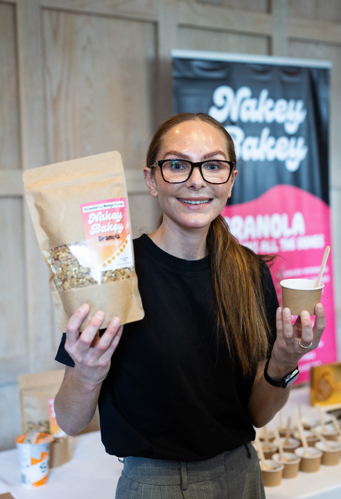
For Nakey Bakey founder Megan Murrie, building an environmentally sustainable food business is about making practical changes that work for the business and become part of everyday operations
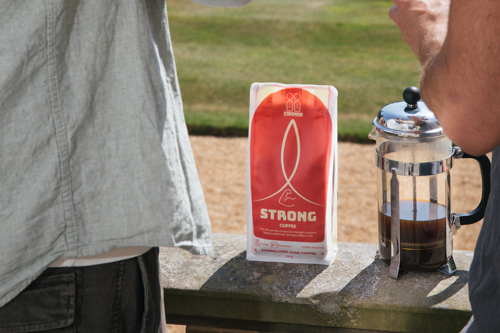
For Common Coffee, environmental sustainability is about making better decisions in the parts of the business it can control, while being honest about the challenges that remain.
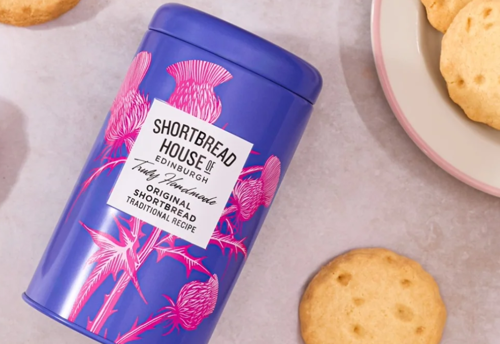
Sustainability is at the heart of Shortbread House, guiding how the company sources its ingredients, bakes its biscuits and packages its products.
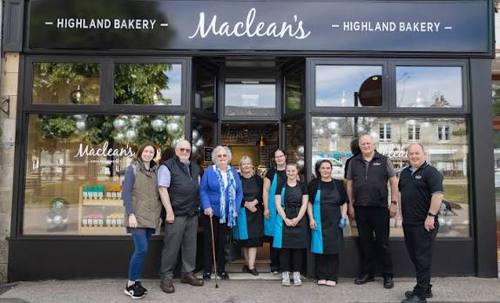
MacLean's Highland Bakery has started their net zero journey with the help of the Net Zero Programme and how they are now looking at the practical steps and learnings they can apply to reduce carbon emissions and improve sustainability.
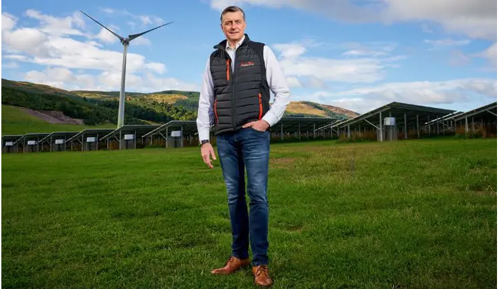
Simon Howie is a leading Scottish butcher and household meat brand based in Dunning, Perthshire, employing over 140 people. We’ve invested £3.7 million in renewable energy, including a 2.3MW wind turbine and 2.1MW solar array, generating over 120% of our energy needs and enabling us to power production entirely with Scottish wind and solar energy.
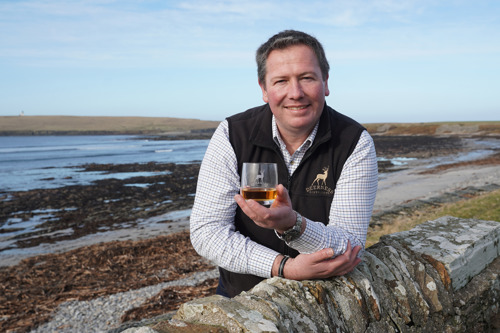
When Stuart and Adelle Brown emigrated from Australia to the windswept Orkney Islands, founding a distillery was the last thing on their minds. Stuart, a Chartered Engineer, and Adelle, a pharmacist, were simply seeking a quieter life, drawn to Orkney's natural beauty and close-knit community.
This case study highlights the sustainability steps taken by Deerness Distillery, including energy efficiency improvements and emission-reduction measures. It offers useful inspiration for SMEs looking to take similar actions in their own production processes.
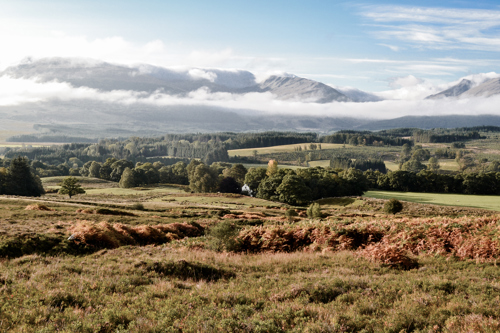
In 2000, Jan Jacob and his family moved from the Netherlands to the Scottish Highlands, where he took on a job managing the wild deer population on a Scottish estate. This experience sparked a deep appreciation for venison, inspiring the creation of Great Glen Charcuterie.
This case study shows how Great Glen Charcuterie has improved sustainability across its supply chain and operations. It covers actions around sourcing, waste reduction, energy use and resource efficiency, offering practical inspiration for other small producers.
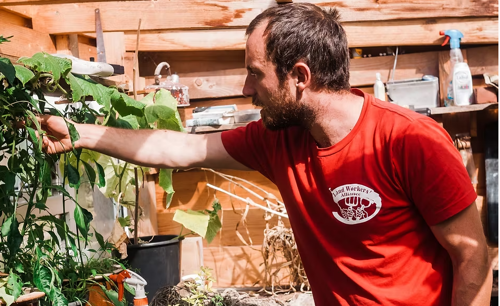
Cosaig Growers was founded in 2016 by partners Kate Wieteska and Jake Butcher after years of working and learning about agriculture on Corrary Farm in Glenelg. Driven by a desire to bring more fresh produce to the local community and a longing to stay rooted in the area, Kate and Jake set out to find a piece of land they could cultivate long-term.
This case study outlines the steps Cosaig Growers have taken to reduce waste, improve resource use and strengthen sustainability in production. It demonstrates simple, effective actions that other small-scale growers can adopt.
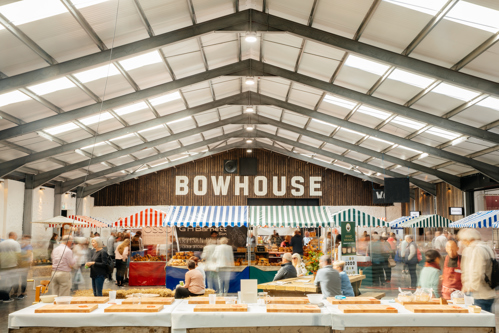
Nestled in the heart of the Balcaskie Estate in the East Neuk of Fife, Bowhouse Market stands as a testament to the region's deep agricultural roots and commitment to fostering community connections.
This case study explains how Bowhouse integrates sustainability into its operations by supporting local supply chains, managing resources efficiently and reducing waste. It highlights practical lessons relevant to food hubs, processors and small producers.
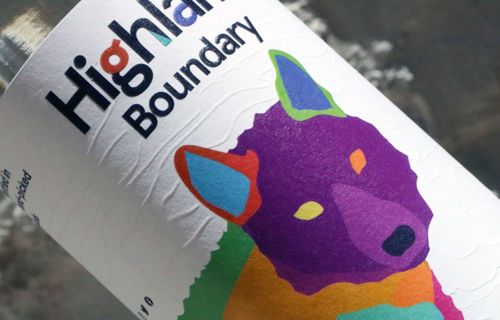
Tucked away near the picturesque market town of Alyth in Perthshire, Highland Boundary stands as a testament to the fusion of passion, science, and nature.
This case study highlights how Highland Boundary Spirits has invested in renewable energy, improved sourcing practices and reduced emissions. It provides ideas that small distilleries and producers can apply to their own sustainability plans.
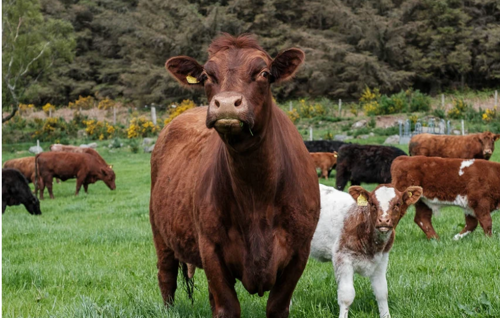
Edinvale Farm is a family-run upland enterprise in Moray, producing high-quality beef from native breeds such as Highland and Shorthorn cattle, with some Aberdeen Angus crosses.
This case study shows how Edinvale Farm has improved resource efficiency, reduced waste and lowered carbon emissions. It shares real-world lessons for other farms and agri-food SMEs looking to build a more sustainable operation.
Additional Resources

A free online tool that helps your business assess where you are on sustainability and build a practical roadmap to net zero.

A simple 10-step checklist to help SMEs plan and begin their net zero journey.

A guide to help SMEs measure and understand their greenhouse-gas emissions.

This case study outlines the actions taken by Simon Howie to introduce renewable energy technologies into their operations. It highlights the benefits they achieved, including lower energy bills, reduced carbon footprint and improved long-term resilience.

This case study highlights the sustainability steps taken by Deerness Distillery, including energy efficiency improvements and emission-reduction measures. It offers useful inspiration for SMEs looking to take similar actions in their own production processes.

This example shows how Great Glen Charcuterie has improved sustainability across its supply chain and operations. It covers actions around sourcing, waste reduction, energy use and resource efficiency, offering practical inspiration for other small producers.
Net Zero News

Forth Valley Food and Drink has secured nearly £15K in Rural Forth Valley and Lomond Community Led Local Development funding to help local food and drink businesses take practical steps towards a lower-carbon, more resilient future.

The Scotland Food & Drink Partnership’s Net Zero Commitment will be launching its industry-wide Business Support Research Survey on Monday, 2 September 2024.

To equip Scotland’s food and drink businesses with the tools to reduce their emissions in line with the national 2045 target, the Scotland Food & Drink Partnership’s Net Zero Commitment has launched a handbook to make sense of the technical language and jargon around sustainability.
Get in touch
Need personalised support or have questions about your net zero journey? Explore the Support Ecosystem to connect with expert organisations ready to help.